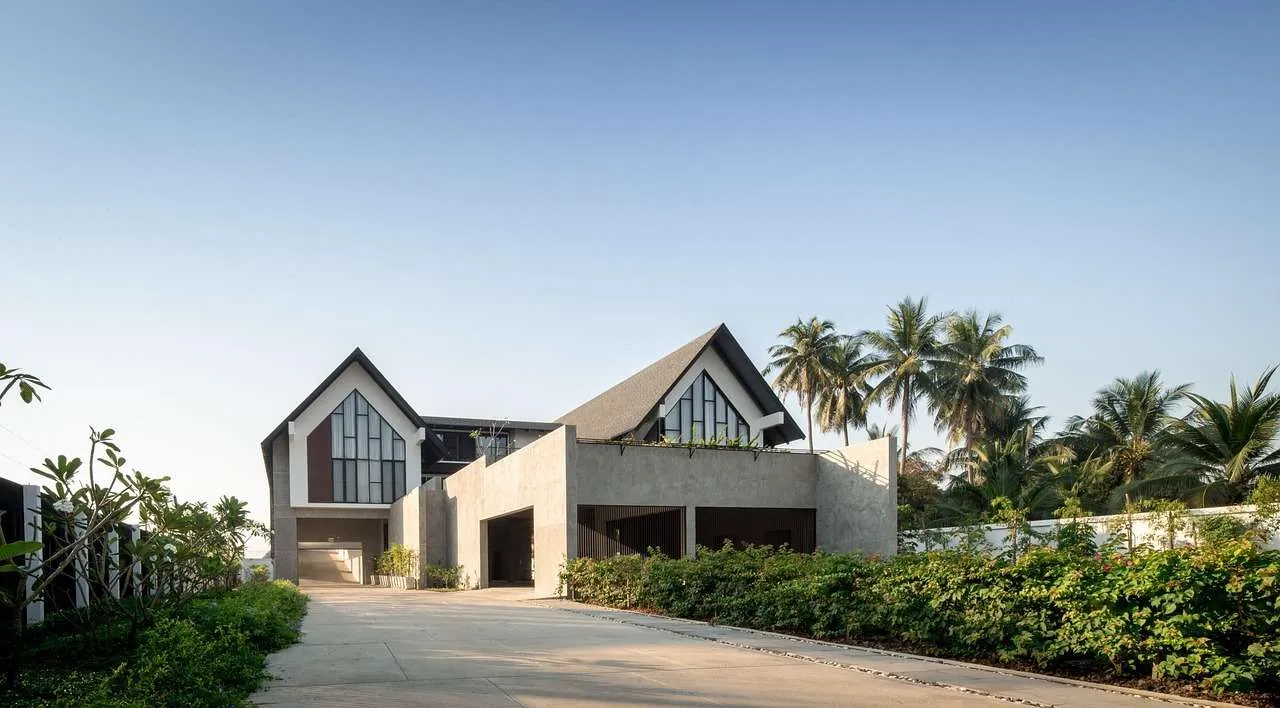
Roofing is the system that shields a building from the elements. It includes the roof deck, underlayment, flashing, and surface materials. A well-designed roof controls moisture, enhances energy efficiency, and accommodates local weather patterns.
What is roofing?
Beyond the visible shingles or panels, proper roofing depends on a complementary system: decking (the structural base), underlayment (a moisture barrier), ventilation and attic insulation to manage temperature and moisture, and flashing to seal joints around chimneys, vents, and skylights. Together, these elements form a durable, weather-resistant shell for your home.
When installed correctly and maintained, a roof can protect your home for decades, while a poorly executed job leads to premature failures and costly roof repairs.
Common roof issues that require roof repairs
- Leaks and water intrusion
- Damaged or missing shingles
- Worn or failed flashing around chimneys and vent pipes
- Ponding water on flat roofs
- Hail impact and wind damage
- Animal or debris damage
Recognizing signs early can prevent extensive damage. Look for discoloration on ceilings, granule loss in gutters, curling shingles, or unusual attic moisture after rainfall. A professional inspection can pinpoint hidden problems and provide a repair plan tailored to climate and roof type.
When to repair vs replace
Small leaks and isolated shingle damage often respond to targeted roof repairs, extending the life of the roof and delaying full replacement. However, widespread damage, multiple failed flashing points, or an aged roof (typical lifespans vary by material but commonly exceed 20–30 years for many residential roofs) usually warrants replacement for long-term reliability. A professional inspection can determine the best path based on age, roof type, climate, and structural condition.
Materials overview
Choosing the right roofing material affects durability, cost, and maintenance. Here are common options:
Asphalt shingles
Affordable and versatile, with a typical lifespan of 15–30 years depending on climate and quality. They are easy to install and available in a wide range of colors.
Metal roofing
Durable and energy-efficient, often lasting 40–70 years. Excellent for shedding water and snow and can be lighter than tile or slate, reducing structural load. Higher upfront costs are offset by longevity and resilience.
Tile and slate
Tile offers longevity and curb appeal; slate is extremely durable but heavier and more expensive. Lifespans can exceed 50 years for tile; slate can last a century with proper maintenance. Both require a reinforced roof structure and specialized installation.
Wood shake
Natural aesthetics with good insulating properties but higher maintenance and potential fire risk depending on local codes. Lifespan ranges from 20–40 years with proper care and treatment.
Material decision factors
Climate, budget, neighborhood style, roof weight capacity, fire codes, and warranty terms should guide material choice. Consider long-term ownership costs, including maintenance frequency and potential energy savings from reflective or insulated options.
DIY vs professional: safety and warranty
Roof work is hazardous, and falls or improper installation can cause serious injury. Most reputable warranties require installation by licensed professionals. DIY repairs may save money upfront but can compromise warranties, reduce efficiency, and lead to bigger problems. If you choose DIY for minor tasks, ensure you have proper safety gear, tools, and knowledge of local code requirements.
How to choose a roofing contractor
Look for licensing and current insurance, local references, and a transparent written estimate. Ask about material warranties, workmanship guarantees, and a project timeline. A reputable contractor should offer a site assessment, photos of prior work, and a detailed contract with scope, permits, cleanup, and payment schedule. Check online reviews and verify past projects with local building departments if possible.
Maintenance tips to extend roof life
- Schedule seasonal inspections and promptly address damage after storms
- Keep gutters clean and free of debris to prevent water backing up onto the roof
- Trim branches that overhang the roof to reduce moss, debris, and physical damage
- Address moss or algae growth with approved cleaners and proper ventilation to prevent moisture retention
- Ensure attic ventilation remains unobstructed to prevent heat buildup and ice damming in cold climates
Comparison of roofing materials
| Material | Lifespan | Pros | Cons | Typical cost (per sq ft) |
|---|---|---|---|---|
| Asphalt shingles | 15–30 years | Low cost, easy to install | Moderate durability, color fading | $1.50–$4.00 |
| Metal roofing | 40–70 years | Durable, energy efficient | Higher upfront, potential dents | $3.00–$12.00 |
| Tile | 50+ years | Long life, good insulation | Heavy, requires structural reinforcement | $7.00–$12.00 |
| Slate | 60–100+ years | Exceptional longevity | Very heavy, costly, specialized installation | $20.00–$40.00 |
| Wood shake | 20–40 years | Natural aesthetics | Higher maintenance, fire code restrictions | $4.50–$9.00 |
Conclusion, this guide helps homeowners understand roofing and roof repairs, align material choices with climate and budget, and select a trusted contractor. By prioritizing timely repairs, professional assessments, and regular maintenance, you protect your home’s value and reduce the risk of costly damage in the long term.