Choosing bathroom tiles is about combining performance with style. The right tiles endure moisture, resist stains, and create a timeless look. This guide aims to help homeowners, designers, and contractors make informed decisions by covering materials, maintenance, installation, and design ideas—anchored by expert insights and practical steps.
Key considerations for bathroom tiles
- Moisture exposure and slip resistance
- Durability and maintenance
- Size, layout, and pattern options
- Cost and installation complexity
Tile materials: pros and cons
Understanding the main material families helps narrow choices for walls, floors, and wet zones. Each option offers a balance of beauty, durability, and maintenance requirements. When in doubt, consult an experienced installer or a tile dealership with documented product data.
Ceramic tiles
Ceramic tiles are affordable and versatile. They come in numerous glazes and colors, are easy to cut, and are well-suited for walls and backsplashes. While durable for many applications, they are more porous than porcelain and are best used in moderate-wet areas or on walls and backsplashes rather than heavy-duty floors.
Porcelain tiles
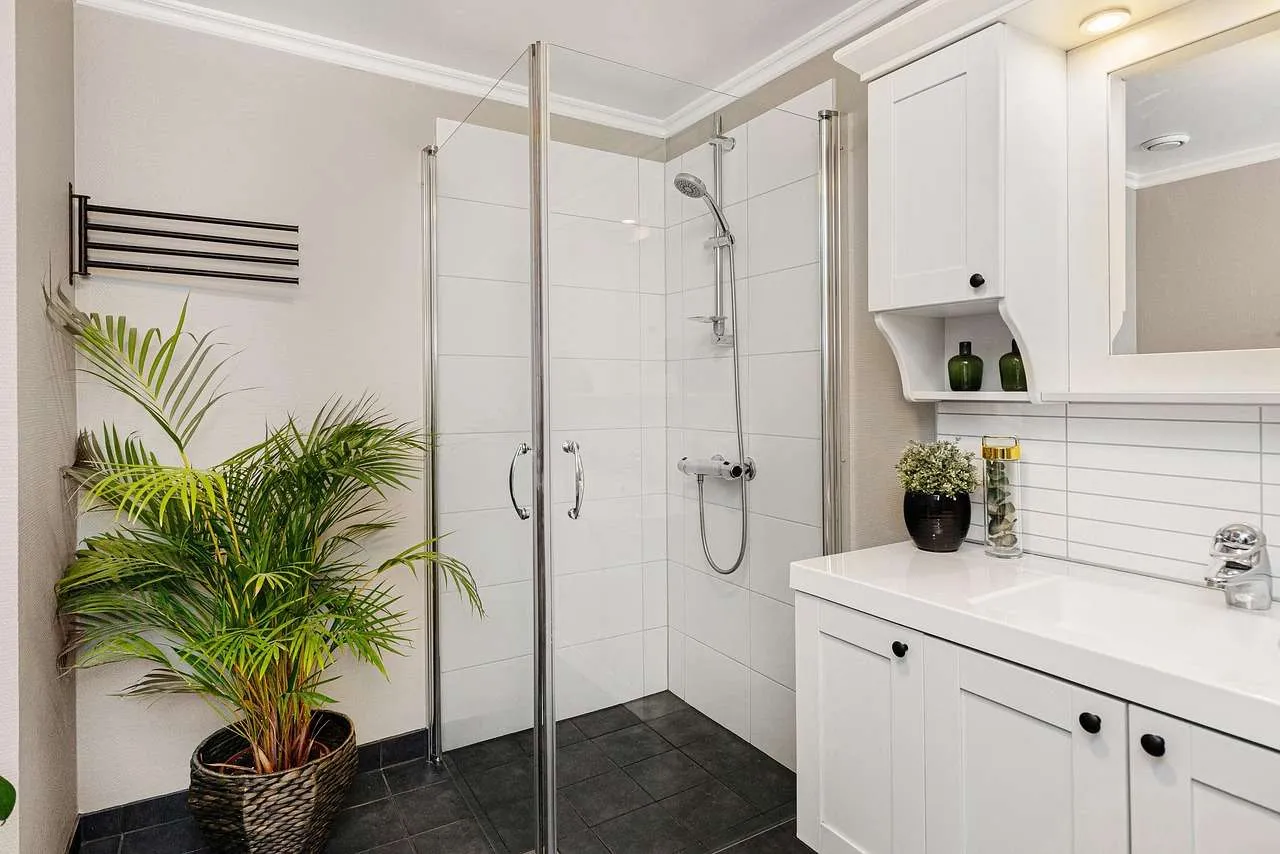
Porcelain tiles are denser and have lower absorption, making them highly durable for both floors and walls. They resist stains and moisture well and are ideal for shower surrounds, countertops, and high-traffic bathrooms. Some porcelain tiles can be slippery when wet, so choose a grade or slip rating appropriate to the space.
Natural stone tiles
Marble, granite, travertine, and other stones offer a premium, unique look. They require sealing and ongoing care to prevent staining and etching. Stone is porous and reacts to acid cleaners, so it is best placed in dry zones or properly sealed wet areas, with maintenance scheduled to match usage.
Glass and metal tiles
Glass tiles add light and a contemporary feel. They are non-porous and easy to clean, but can show water spots and require careful installation on walls or backsplashes. Metal and glass mosaics are popular as accents rather than primary floor coverings due to durability and slip considerations.
Other options
Cement tiles, large-format porcelain slabs, and recycled-content tiles offer style variations and sustainability benefits. For bathrooms, prioritize slip resistance and sealing needs, and check with suppliers for maintenance requirements and wear ratings.
Size, pattern, and layout ideas
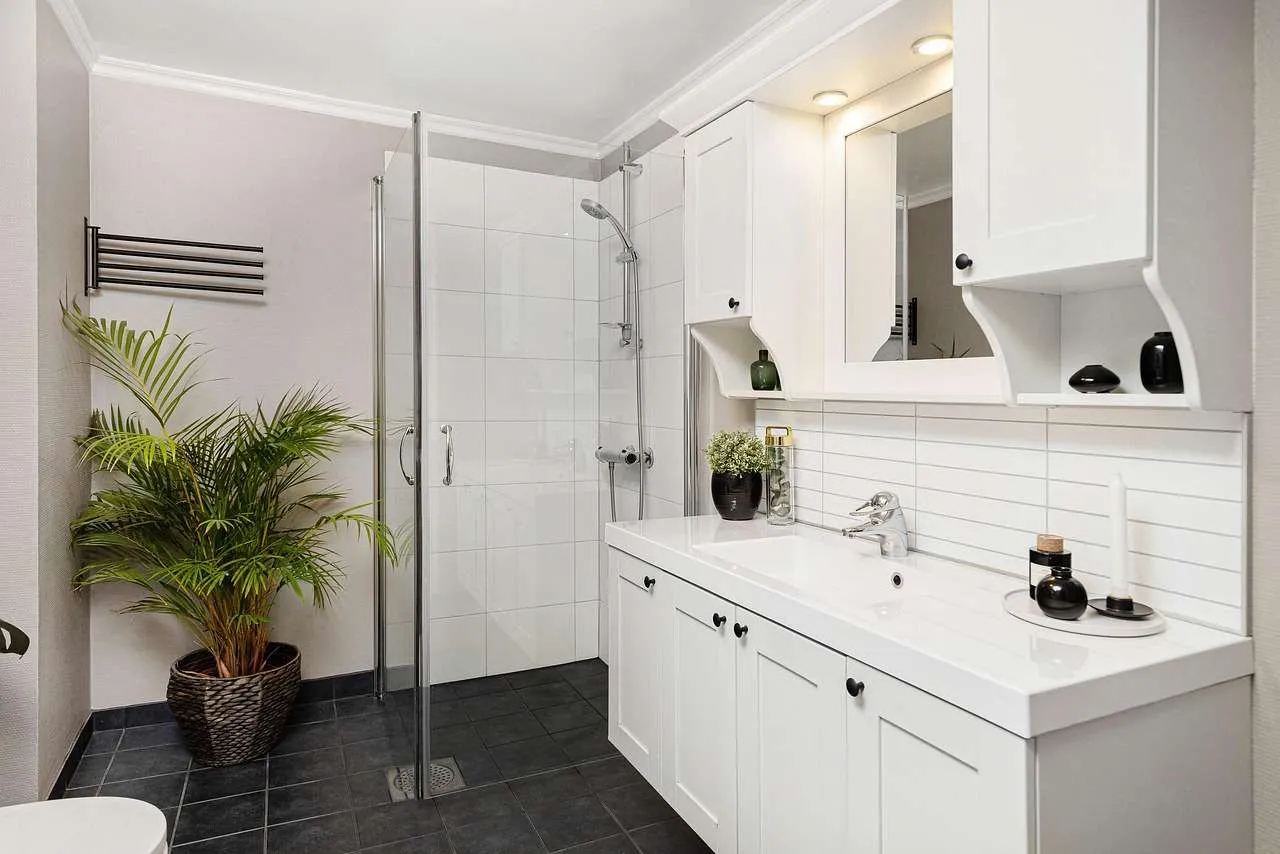
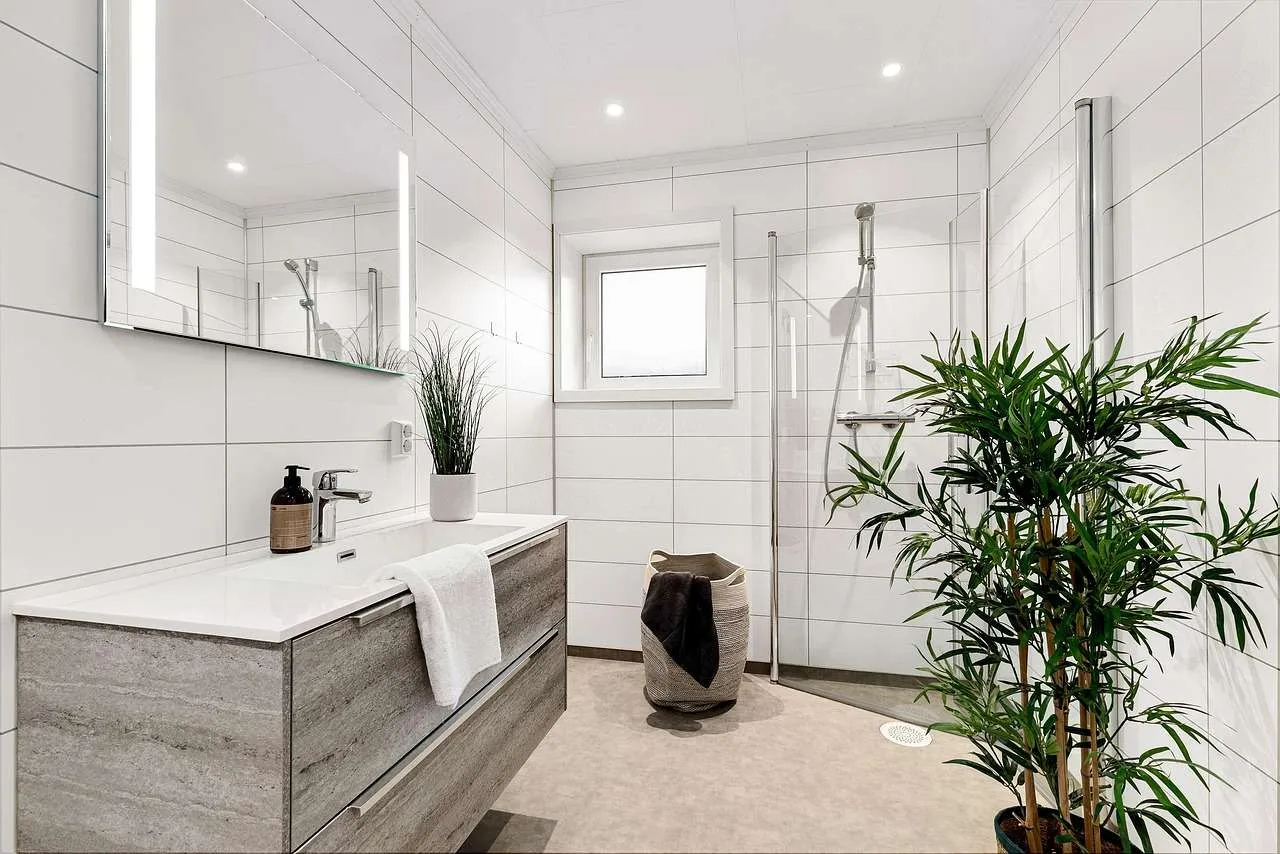
Tile size greatly influences the perceived space. In small baths, larger formats reduce grout lines and visually expand the room, while mosaics or penny rounds can create visual interest on shower floors. Pattern choices such as herringbone, vertical stacking, or offset layouts can change the rhythm of a space without changing color. Matching or contrasting grout colors also affects depth and maintenance considerations.
Maintenance and cleaning
Maintenance strategies depend on material. Ceramic and porcelain floors are forgiving with routine cleaning using a neutral pH cleaner. Stone requires periodic sealing and the avoidance of acidic cleaners to protect the surface. Glass tiles demand regular wiping to prevent mineral buildup. Establish a simple weekly cleaning routine and reseal natural stone every one to three years, or as advised by the manufacturer.
Installation considerations and costs
Professional installation is particularly important in wet zones. Plan for substrate prep, waterproofing membranes, and proper sloping for drainage. Tile costs vary by material and region; porcelain and ceramic are typically in the moderate range, while natural stone and premium glass can be higher. Labor often represents a substantial portion of total cost, especially for intricate patterns or large-format panels. Always obtain written quotes and ensure the installer follows local codes and manufacturer recommendations.
Design trends and tips
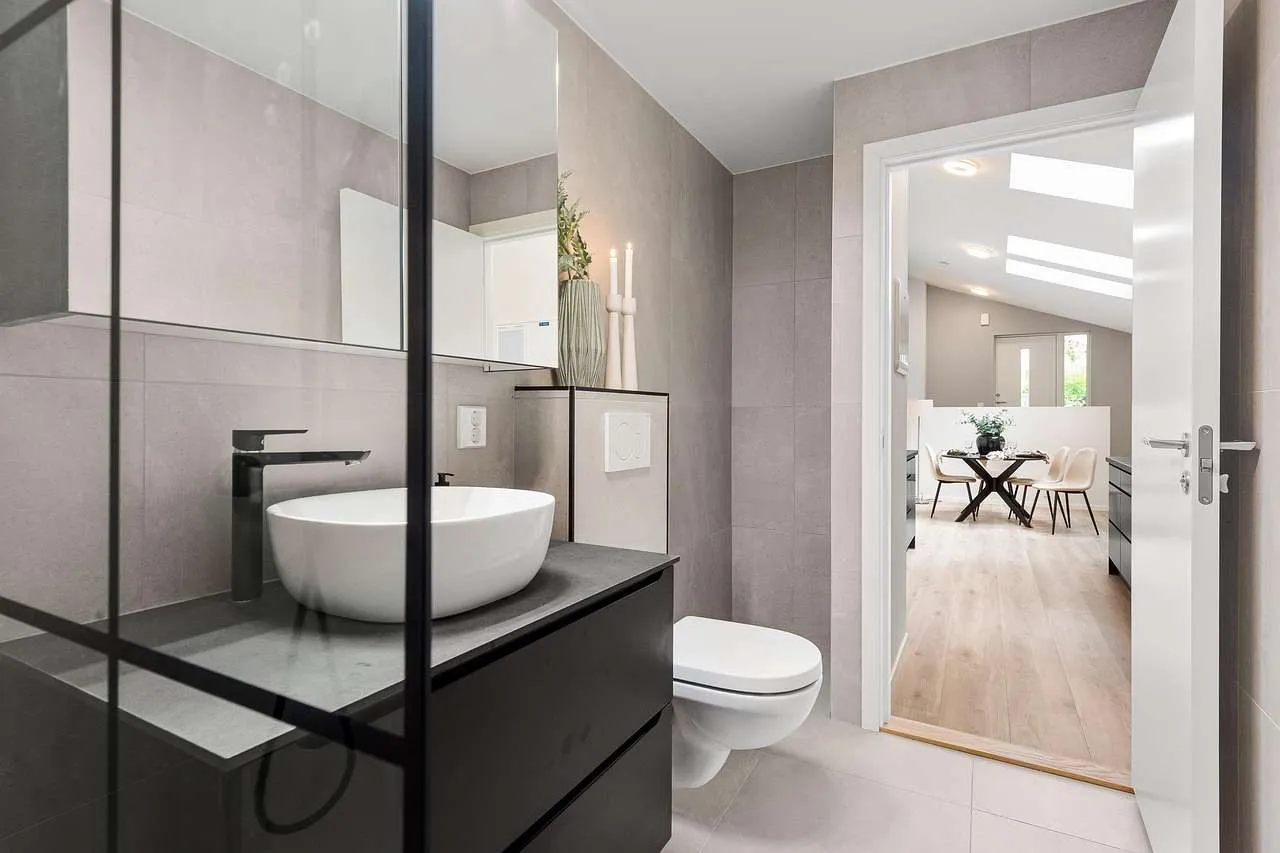
Contemporary bathrooms lean toward matte finishes, large-format tiles, and warm neutral tones. Textured surfaces add depth, while tone-on-tone grout hides grime. Accents such as a glass tile backsplash, a statement shower niche, or a bold floor tile can anchor a design without overwhelming the space. In every project, balance durability with aesthetics and keep a consistent color story across walls, floors, and vanity surfaces.
Comparison of tile materials
| Material | Pros | Cons | Best Uses | Maintenance |
|---|---|---|---|---|
| Ceramic | Affordable, versatile finishes, easy to cut | More porous than porcelain; moderate water absorption | Walls, backsplashes, light to moderate wet areas | Easy to clean; routine cleaning with mild products |
| Porcelain | High density, low absorption, durable | Can be slippery if not rated; heavier and harder to cut | Floors and walls in wet rooms | Low maintenance; use non-acidic cleaners |
| Natural Stone | Unique natural beauty, premium feel | Porous, requires sealing, staining risk | Showers, vanity tops, feature walls | Seal periodically; avoid acidic cleaners |
| Glass | Reflects light, non-porous | Slippery on floors, water spots, costly | Backsplashes, accents, shower niches | Wipe regularly; avoid abrasive cleaners |
Conclusion, selecting bathroom tiles involves balancing function and style. Prioritize moisture resistance, slip safety, and maintenance needs; choose tile type based on area use; plan layout, pattern, and grout color; consider professional installation and future resale value. This structured approach ensures a durable, beautiful bathroom that remains timeless for years to come.